

Planning a European vacation can seem like a daunting task when you prefer the best blend of pleasant weather, cultural immersion, and budget-friendliness.
Poland is a destination that offers a wealth of attractions in each season: the bustling city center and blooming parks in the spring months, and the snow-covered mountaintop villages and traditional Christmas markets in the winter months.

The key to planning a trip to Poland is that the best time to visit can make all the difference between enjoying smaller crowds and great deals versus struggling to manage peak accommodations, jam-packed schedules, and higher-than-average prices.
Perhaps you dream of roaming the historic alleys of Kraków, warming up with spiced beverages at Christmas markets, or trekking through the peaceful surroundings of the mountain lakes at Zakopane.
In any case, the correct time to purchase tour packages in Poland can significantly influence the success of your journey. Below are the best seasons to book your tour.
Spring: Temperate Climate with Blooming Scenery
Spring in Poland is a breath of fresh air – literally. The temperatures rise from 10°C (50°F) towards the end of March to 20°C (68°F) in May. Nature awakes in all its hues. Poland comes alive as the Łazienki Park in Warsaw is covered in shades of purple from the blooming crocuses.
The Plenty Gardens in Krakow surround the historic Old City in softly colored petals. The atmosphere is energetic yet less crowded than the peak tourist season, when the lines at museums aren’t long enough to wrap around the courtyard. You can also check with various agencies for the available Poland tour packages that will excite and suit you during your vacation.
If activities such as guided walks, al fresco cafes, and photographing historic facades when the sunlight has a warm, golden glow thrill you, then this season has been waiting for you.
Spring is when cultural events in local communities come back to life, such as the Krakow Film Festival, which takes place at the end of May. The weather might be cool and comfortable—just bring a jacket for rainy days.
Summer: The Peak-Season Buzz
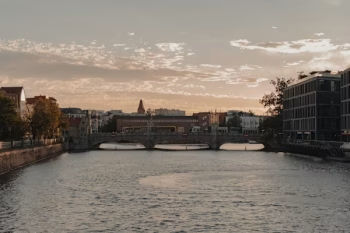 During summer, when the weather is warm and sunny, the recipient country gets to see the true spirit of Poland. The long daylight hours, temperatures between 22 °C and 26°C, and crowded schedules of street festivals, open-air concerts, and bonfires at the lakes create a very vibrant atmosphere.
Amber festivals at Gdańsk’s Dominican Fair, open-air concerts at Sopot’s wood-pier area, and the snow-covered paths at the alpine lakes in the Tatras above Zakopane – everything comes alive during the summer.
On the other hand, however, comes the potential congestion. Prices for hotels in the Old Town area can double, and the best-selling small group tours can fill up eight to ten weeks in advance. If your vacation plans in July and August are set in stone, plan to book before the end of April.
Fall: Cozy, Scenic, and Less Crowded
Autumn represents the best-kept secret of Poland. In the mornings, the temperature can cool to 8°C (46°F), but the afternoons warm up to 15-18°C (59-64°C), and the woodlands stretching from the Masurian Lake District through the Bieszczady Mountains erupt in gold and copper.
In the cities—the Wroclaws and Poznans—the atmosphere can seem serene yet pulsating: museums operate their summer schedules but the crowds are smaller; the historic wooden churches of southern Poland draw more monks than tourists; harvest festivals burst with local specialties: smoked sheep’s milk cheese oscypek in the Tatras above Zakopane or late-ripe strawberries in the Kashubian countryside.
This weather is ideal for leisure walks and wine tastings following the Zielona Góra wine trail. Book packages in late June and mid-July when tour operators launch their golden autumn offers, but before guesthouses increase their prices in preparation for the Christmas market season.
Prices remain available for 3 for 2 packages at boutique hotels in the Toruń Old Town area, surrounded by the city’s distinctive brick architecture. Hire guides who speak English to tour the World War II Wolf’s Lair bunkers.
Winter: Fairy-Tale Atmosphere and Christmas Magic
 In winter, a snow-globe-like atmosphere pervades Poland. The Rynek Glówny in the historic city of Kraków offers one of the most picturesque Christmas markets in Europe, featuring hand-blown glass tree ornaments and mugfuls of honey-bee mulled wine.
In the Winter Capital of Zakopane, snow-coated highlander cottages stretch the length of Krupowski Street. The corporal peaks of the nearby Tata Mountains stretch 20 kilometers of illuminated ski routes, horse-drawn sleigh rides through spruce groves, and hot thermal baths at the Baths of Chochołów, where temperatures are –5 °C, but water temperatures remain a balmy 36 °C.
South temperatures can drop to as low as –10°C (14°F), but cultural activities sizzle: open-air Christmas caroling concerts, szopka nativity scene contests, and masked New Year’s balls in baroque palaces. Even the Neon Museum in the capital of Warsaw offers nighttime tours, whose reflections sparkle against icy pavement, for a groovy vintage effect.
Christmas week can’t compare to August in terms of crowding, but the city’s hotels in the Old Town are booked solid in early October. Prices skyrocket 30 percent during peak seasons. For a less crowded and more economical experience, consider the first two weeks of December when the markets will be operating and flights can still be obtained affordably, or midwinter when the snow will be present and the crowds won’t.
Closing Remarks
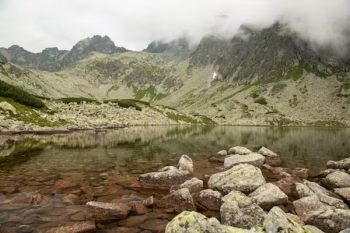 Poland is among the countries that sparkle throughout the whole year. This means that each season has its unique atmosphere.
For instance, whether you are visiting Poland during the summer festivities, the calm atmosphere during the autumn season, or the winter fairy tale atmosphere, planning will give you the best experience.
Plan, travel intelligently, and allow yourself time to soak up the many cultural offerings that make traveling in Poland such a rewarding experience.